

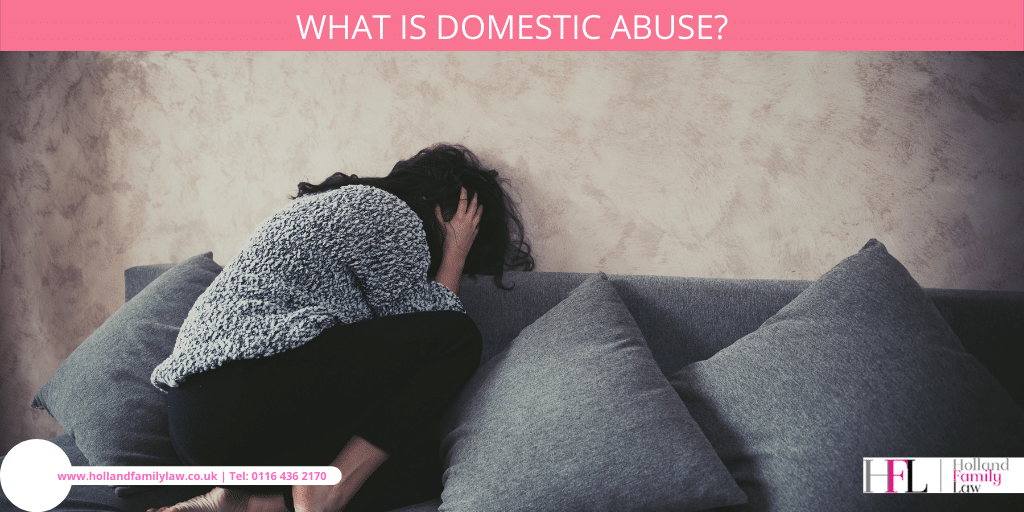
October is domestic abuse awareness month. The most recent figures show that an estimated 2.3 million adults aged 16 – 74 suffered some form of domestic abuse in the last 12 months. But what is domestic abuse? Who does it affect?
There are many misconceptions about what domestic abuse is and who it affects. Many think that domestic abuse is only physical, while others think it only affects women. However, domestic abuse is much more than physical violence and it not only affects women, but it also affects men, children, and entire families too.
What does domestic abuse look like?

Domestic abuse comes in many forms including, but not limited to:
- Coercive control (a pattern of intimidation, degradation, isolation and control with the use or threat of physical or sexual violence)
- Psychological and/or emotional abuse
- Physical or sexual abuse
- Financial or economic abuse
- Harassment and stalking
- Online or digital abuse
Domestic violence is all about control and power. It can be violent and non-violent, plus it’s not limited to people who are married, it affects people in cohabitational relationships too.
Who does domestic abuse affect?

It’s often thought that domestic abuse only affects women, but increasingly men and children are suffering abuse. In some cases, domestic violence can tear through entire families, immediate and wider.
However, women are subject to abuse more often than most. Studies show that this is regardless of a woman’s race, ethnic or religious group, sexuality, class, or disability.
But studies also show that some women do face greater barriers to disclosing abuse and finding help.
Meanwhile, one in seven (14.2%) children and young people under the age of 18 will have lived with domestic violence at some point in their childhood, according to charity, Women’s Aid.
In certain cases, domestic violence can be fatal. Between January 2005 and August 2015, 19 children and two women were killed by perpetrators of domestic abuse in circumstances relating to child contact, according to a study by Women’s Aid.
What is domestic abuse victim-blaming?

Victim-blaming is a major issue for those suffering abuse. Quite often, women are afraid to come forward for fear of being blamed for the abuse that they are suffering.
A 2017 Crime Survey found that some perpetrators of domestic violence blamed their abusive behaviour on their partner, claiming that their actions were ‘justified’ because their partner was:
- Cheating on them or having an affair
- Flirting with another person
- Constantly moaning or nagging
Meanwhile, women in particular are often criticised for ‘failing’ to leave an abusive relationship.
Domestic violence becoming too common

Worryingly, domestic abuse is becoming all too common. Amid the coronavirus pandemic, reports of domestic violence skyrocketed. However, support services are now more widely available than in previous years to combat rising domestic violence numbers.